
Autogas & LPG conversions
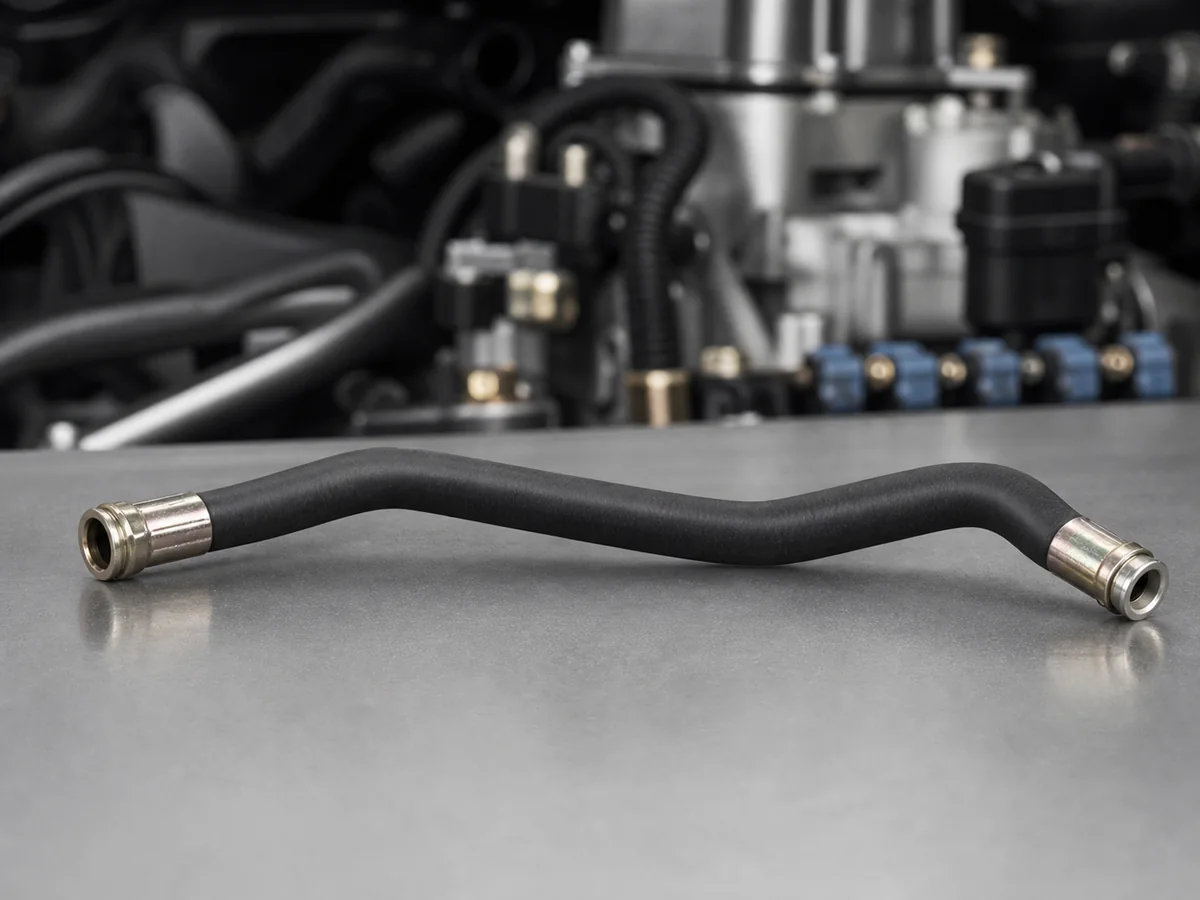
An LPG vehicle conversion needs hose approved to ECE R67, the UN regulation governing autogas equipment. The hose must withstand the liquid- and vapour-phase pressure of LPG, resist propane-butane and the oily residues it leaves, and stay flexible under engine-bay heat and vibration. For higher-pressure liquid lines an EN 1762 Type D hose is the usual choice.
For an LPG conversion workshop the hose is a safety-critical component, and using non-approved hose is both dangerous and grounds for a vehicle failing inspection. The two reference points are the vehicle regulation ECE R67 and, for liquid-phase pressure, the LPG hose standard EN 1762 Type D.
Where each hose goes
- Vapour and low-pressure lines — connections between the reducer, vaporiser and injectors, where ECE R67-approved autogas hose is required.
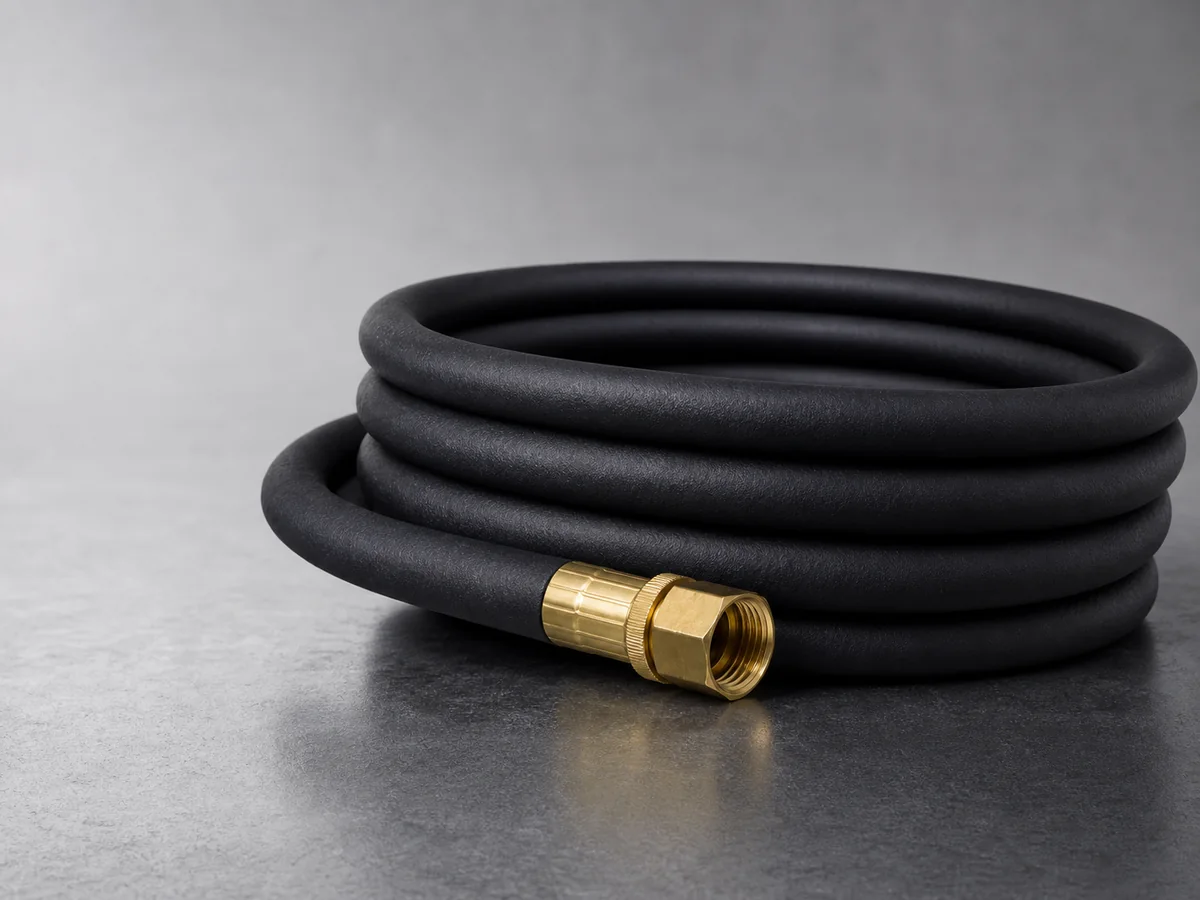
- Liquid-phase lines — from tank to reducer, where pressure is higher and an EN 1762 Type D hose is specified.
What installers should check
- ECE R67 approval mark — the hose must carry the E-mark; this is what an inspector verifies.
- Pressure rating in bar — match the line to the system’s working and test pressure with proper margin.
- Heat and vibration resistance — the engine bay reaches high temperatures and the hose must not harden or chafe.
- Permeation and ageing — a quality cover keeps LPG permeation low and protects against ozone and UV.
Always use the correct internal diameter and approved fittings; an under-sized or improvised line is the most common cause of a failed gas-tightness test.
Recommended hoses
Frequently asked questions
It must be approved to ECE R67, the UN regulation for LPG vehicle equipment, and carry the corresponding E-mark for inspection.
ECE R67 governs the autogas system as fitted to a vehicle; EN 1762 Type D is the higher-pressure LPG hose specification often used on the liquid-phase line.
No. Always fit new, dated, approved hose. Rubber ages, and old or unmarked hose will fail the gas-tightness inspection.
Yes. Approved autogas hose is rated for the elevated temperatures and vibration of the engine compartment and keeps its flexibility over its service life.